
Before the information about the prevention of arthrosis of the knee joints, a brief definition should be given to the main terms. So, the place in the human body where two bones meet is called a joint. Arthrosis (osteoarthritis) is a disease that destroys joints. It is sometimes also called a degenerative joint disease or "wear-and-tear" arthritis. Osteoarthritis is the most common type of arthritis. Arthritis is a condition that causes pain and inflammation in the joints. While arthrosis only affects the joints, arthritis can also affect other body tissues near the joints, including muscles, tendons, and ligaments. In some forms of arthritis, symptoms can affect the body.
What happens in osteoarthritis (OA)?
The cartilage between bones (acting as a cushion in the joints) can be worn down over time. When too many cartilages are worn down, the bone starts to rub against another bone, causing joint pain, stiffness, and difficulty moving.
Can osteoarthritis of the knee be prevented?
OA is the result of the daily use of the joints. The older a person gets, the more wear and tear occurs. OA is not entirely preventable, but by taking care of yourself, many joint problems can be prevented.
Tips for preventing osteoarthritis:
1. Maintain a healthy body weight.
Excess weight puts additional stress on the knee joints. The hips, knees, ankles, and feet are most damaged under overweight. In addition, excess body fat causes changes in cartilage. If you are overweight, do not exhaust yourself with diets, it is better to consult your doctor about safe ways to lose weight.
2. Control your blood sugar levels.
High blood sugar increases the risk of developing OA. This is especially true for people with diabetes, who need to check their blood sugar daily.
3. Be active every day.
A sedentary lifestyle will not protect your joints, quite the contrary. Therapeutic exercise is a vital part of the treatment of arthritis and arthrosis. In addition, exercise is a beneficial way to prevent joint problems such as stiffness and muscle weakness. Try to get at least 30 minutes of exercise a day. Do only selected exercises that are safe for the individual characteristics of the organism.
4. Prevent joint injury.
Joint damage increases the risk of developing OA. When training, start slowly, without sudden jerks, gradually increasing the pace. Every time before exercise, take 5-10 minutes to warm up. Each set of training is better to finish with stretch exercises. This will help prevent injuries to muscles, joints, ligaments, and tendons. Important! Stretching should be done only on heated muscles and joints.
5. Change exercises every day.
A well-chosen set of exercises involves various parts of the human body, which helps to prevent prolonged loads on the same joints.
6. Be careful in your daily activities.
Some activities place additional stress on the joints. For example, do not be on your knees for a long time, and use knee pads or lay something soft under your knees. Try to leave the table as often as possible and stretch your joints.
7. Read instructions.
Use exercise equipment, protective equipment, or knee braces as instructed. Make sure it fits comfortably and correctly.
8. Pay attention to pain.
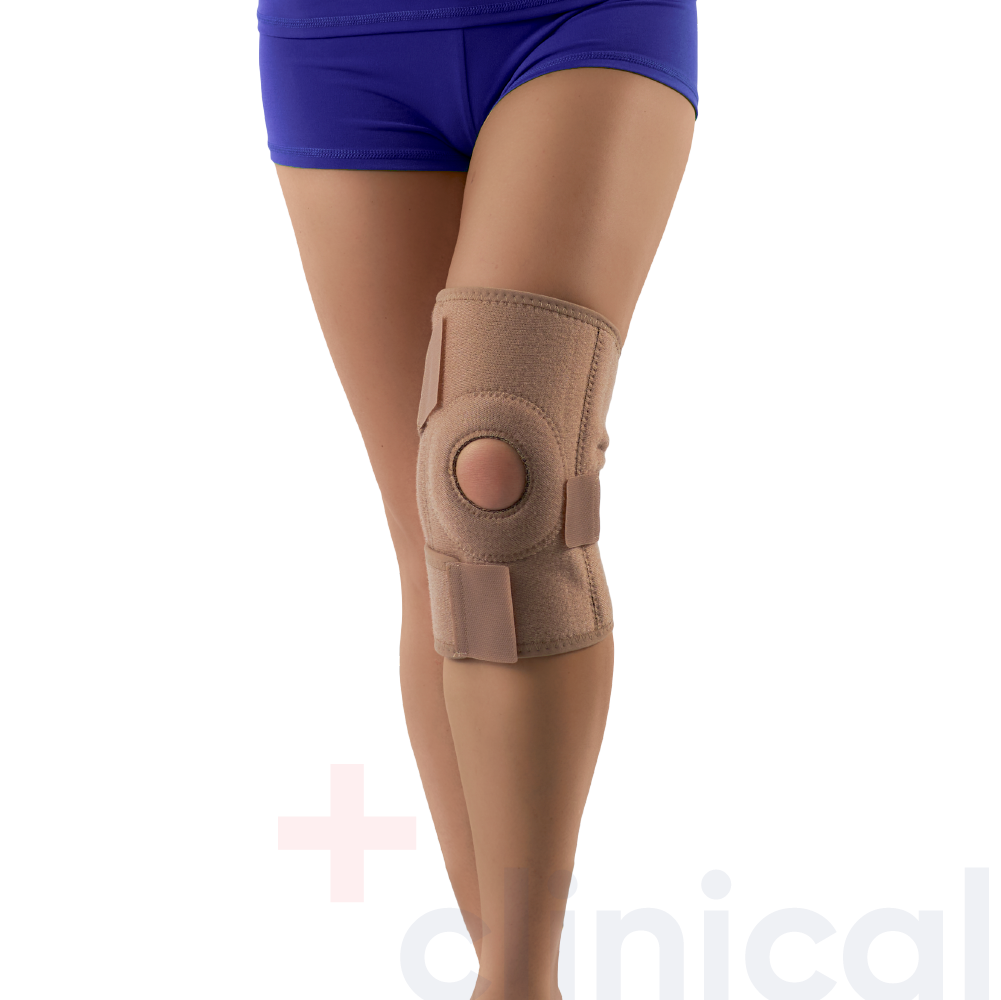
If you have knee pain that lasts 1 to 2 hours after any activity or workout, you may have overdone the exercises. Give your joints time to recover and rest. Use an ice pack to help relieve pain. If necessary, you can use a bandage for the knee joint (article 6058 TM MedTextile), which provides medium fixation and compression of the knee joint. It is advised to use in case of injuries and sprains, joint pain caused by arthritis, synovitis, bursitis, and arthrosis.
When you feel discomfort in the joints, do not delay the examination with a physical therapist to prevent complications, learn about exercises to protect the joints, and receive individual prescriptions for ice packs or painkillers before and after training.
Bandages for knee joints TM MedTextile are sold in pharmacies, or at the official website med-textile.com.ua.
