
Osteochondrosis is one of the most common diseases of the musculoskeletal system, which is faced by almost every second adult inhabitant of the planet. It occurs because of severe overstrain and wear of the intervertebral discs in the spine: in the cervical, thoracic, and lumbar areas. It can also occur in the joints because of circulatory disorders.
Of course, osteochondrosis does not appear out of the blue. Many factors can provoke it and have a negative influence for several years. For example:
Manifestations of osteochondrosis
Sometimes it happens that a person may feel pain in the kidneys or the thorax, not guessing that it may be osteochondrosis. This is because pain can occur in any part of the spine and “radiate” to other parts of the body or even organs. For example, with cervical osteochondrosis, pain occurs directly in the neck, spreading down the spine, and can reach the fingertips, sometimes radiating to the chest. Lumbar osteochondrosis can “radiate” pain to the buttocks, legs, or kidneys. It mainly manifests during pressure on the affected area or during physical activity. Osteochondrosis can also be associated with a herniated disc, which leads to tingling or numbness in the arms and legs.
Other possible symptoms include swelling, tenderness, weakness, or poor mobility of the joints and difficulty in straightening the affected limb.
Diagnostics
Only doctors can determine whether the pain is caused by osteochondrosis. Do not self-medicate. It is better to contact specialists to diagnose whether it is osteochondrosis, which part of the spine is affected, the stage of the disease, etc. Only after a physical examination and with the help of imaging methods (X-ray, magnetic resonance imaging (MRI), or computed tomography (CT)), the physician can find out all the necessary information and prescribe adequate treatment.
Treatment and prevention.
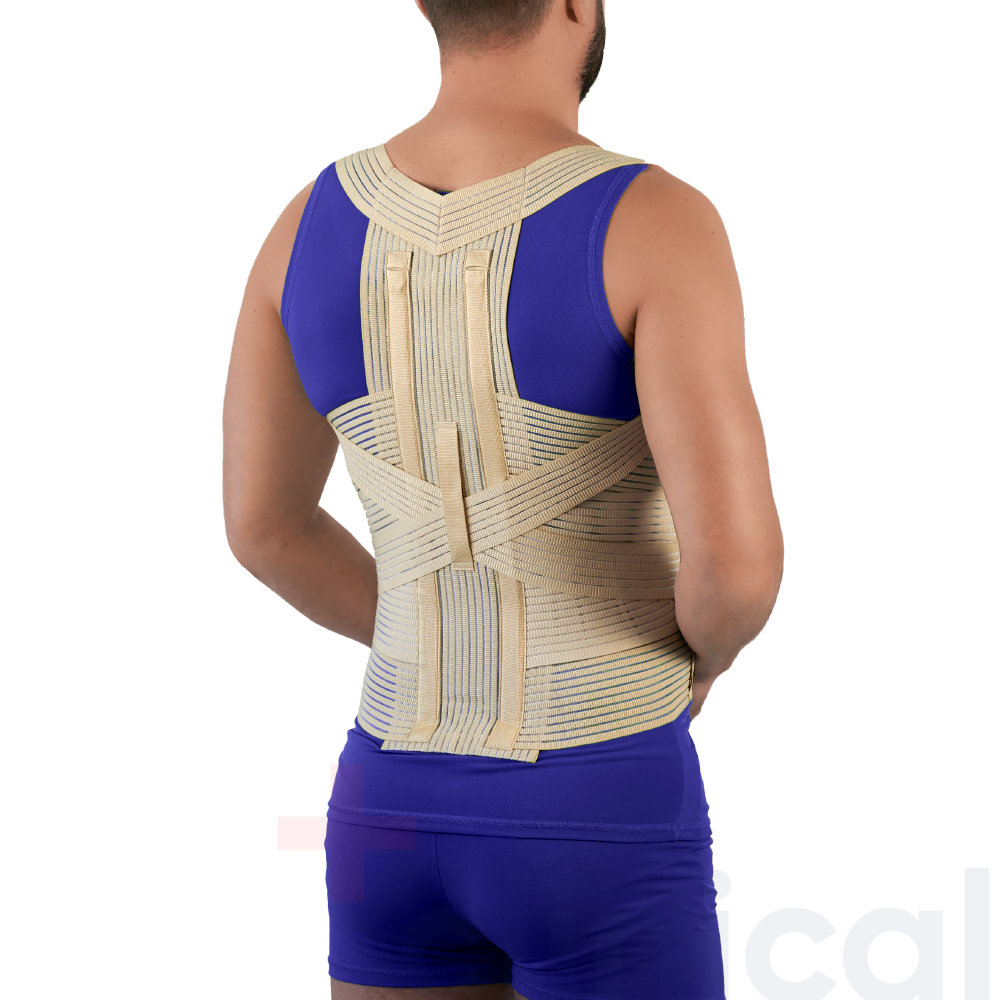
It is impossible to cure the disease completely, but the pain can be relieved. As mentioned above, only a doctor can prescribe a treatment, including a special bandage or corset.
For example, a chest and lumbar corset (Thoracic-lumbar Support, Art. #3001, ТМ MedTextile) is recommended if osteochondrosis has already been diagnosed. Thanks to such a corset, the range of motion in the lumbar and thoracic spine are limited, the correct posture is formed, and pain in the upper and lower areas of the back is reduced. Indications for use are also hernia and displacement of discs, disc protrusion, generalized osteochondrosis, scoliosis, kyphosis, spondylolisthesis, osteoporosis, radiating pain, fractures of the spine, and rehabilitation period after the treatment of mentioned diseases.
Reclinator Posture Support (Art. #2001) can be used to prevent osteochondrosis. It will ensure the correct posture formation, reduce pain in the upper back caused by scoliosis, kyphosis, kyphoscoliosis, or arthritis, and prevent stoop. A posture 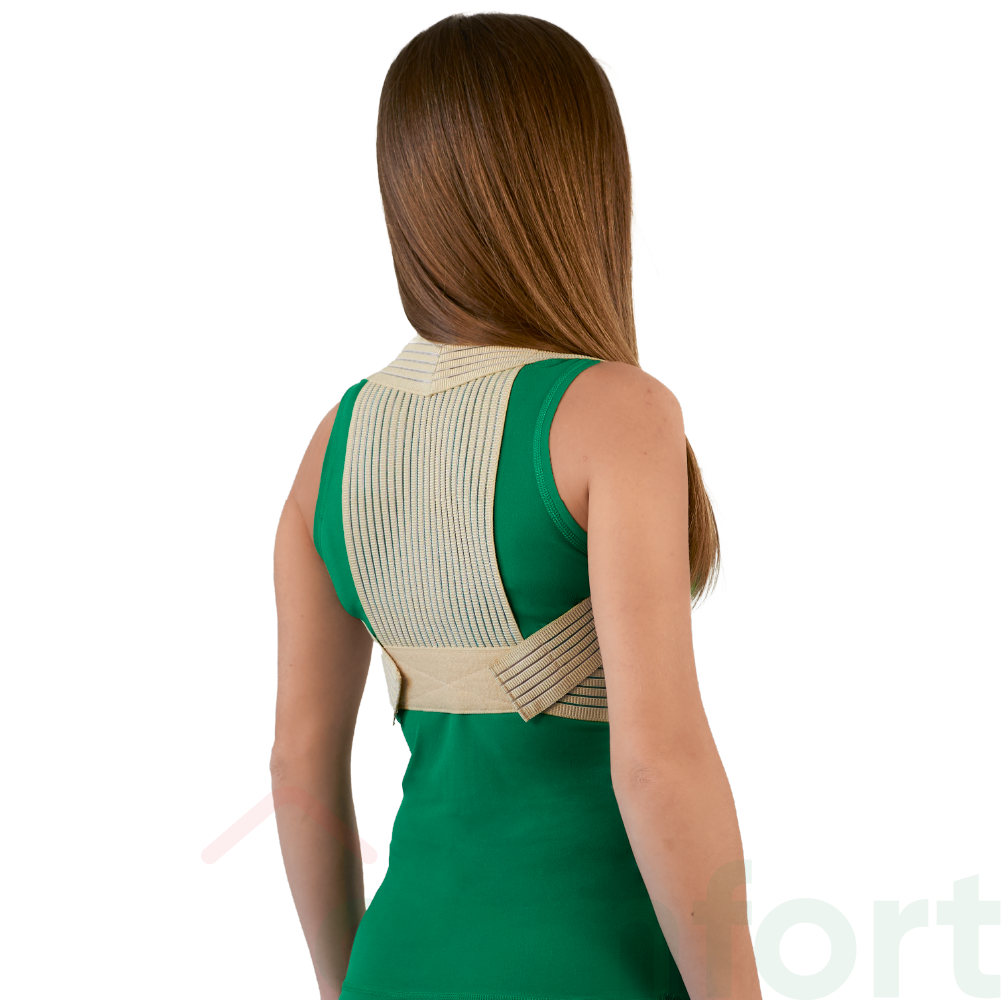 corrector is suitable for those who wish to avoid spinal deformities, keep their back straight, and prevent many diseases associated with poor posture (impairment of the respiratory, cardiovascular, digestive, and other systems).
Ask for bandages and posture correctors TM MedTextile in the pharmacies of your city or on the website.
