
Before talking about the symptoms, let's understand the concept of the disease. Sciatica (radiculopathy) is pain caused by inflammation of the spine's nerve roots. Such inflammation can cause severe pain and restrict movement.
It is generally accepted that sciatica is a lower back disease, but such a statement is wrong. Sciatica can affect any part of the spine (but it most often occurs in the lower back), so the pain can be felt not only in the back but also in the arms, legs, and neck.
Sciatica appears when a nerve or nerve root is pinched, irritated, or inflamed (radicular pain). Radicular pain spreads along nerve fiber pathways; it starts at the point of injury and radiates into the limbs. Radicular pain usually occurs when some substance penetrates the spinal disc through the damaged area and contacts the nerve. Sometimes the radicular pain can be caused by the pressure on the nerve (in such conditions as a herniated disc or mitral valve stenosis). Also, certain types of activity or posture can increase sciatica symptoms.
Sciatica symptoms:
Sciatica symptoms begin with pain that is felt along the nerve pathways that originate in the spine. The pain can be combined with numbness, tingling, and muscle weakness. It is necessary to consult a doctor and discuss all the symptoms to exclude other diseases.
Cervical sciatica symptoms:
- local pain in the neck,
- pain spreading down the arm(s) and up to the hand,
- numbness of the arms, hands, and fingers,
- muscle weakness in the arms,
Pain may also be felt in the shoulders or chest (depending on which nerve is affected).
Lumbar sciatica symptoms:
- local back pain
- pain spreading through the legs and feet,
- numbness in the legs, sometimes in the feet and toes,
- muscle weakness,
- burning pain in the thighs.
Also note that if your skin becomes very sensitive or you notice that your muscles are weakening, it may be the early stages of nerve damage. If left untreated, sciatica will progress; as a result - muscular tissue dystrophy can occur or nerve destruction.
Causes of sciatica
Any condition that can lead to spinal nerve compression can be one of the many causes of sciatica. The most common causes are herniated discs, bone spurs (osteophytes), and thickening of the surrounding ligaments. Other conditions that can cause sciatica include spinal stenosis, intervertebral disc damage, spondylolisthesis, scoliosis, and others.
Prevention of sciatica
Like other diseases, sciatica can also be prevented, and it is better to do it at a young age. But if you already have symptoms of sciatica, then along with the therapy prescribed by your doctor, it is necessary to follow such recommendations:
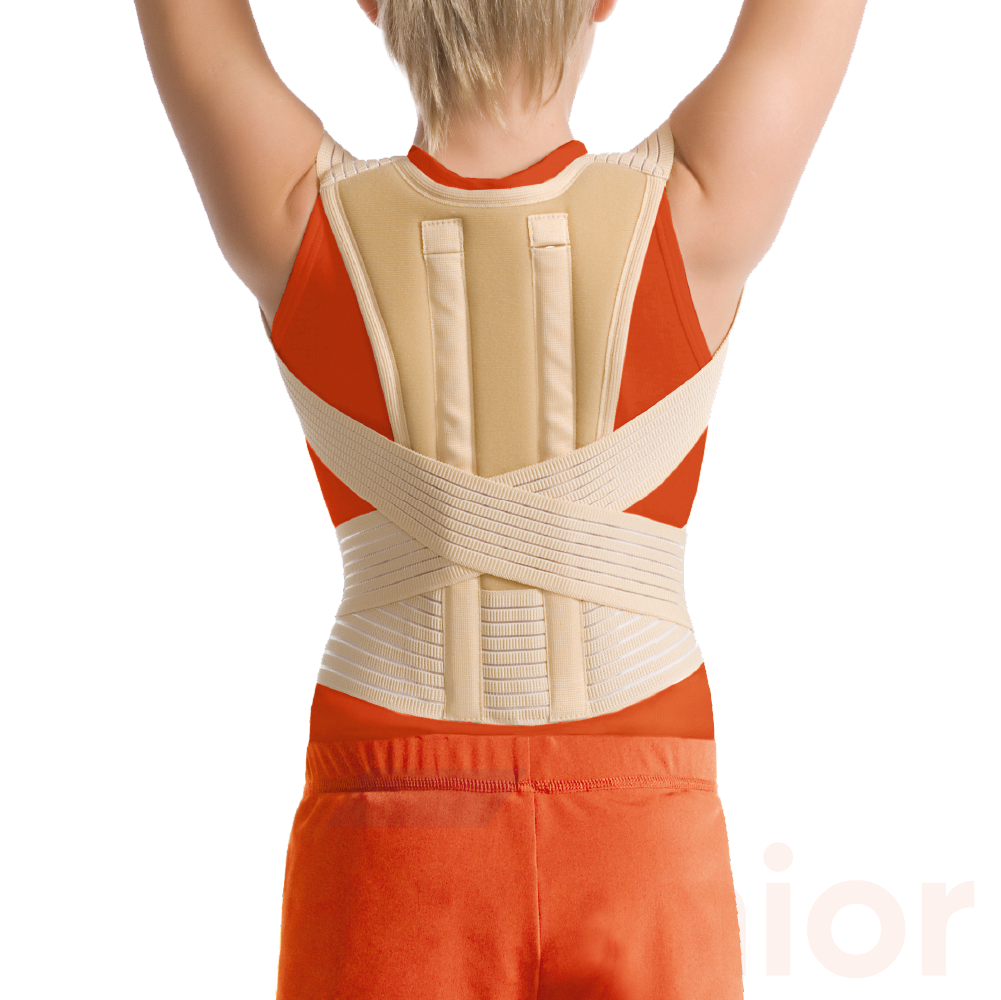
Ask for bandages TM MedTextile in the pharmacies of your city or on the website https://med-textile.com.ua/catalog/.
