
Any fracture is unpleasant, especially when you have to change your everyday life. If you are an ardent supporter of sports or do your daily basic physical exercises, fracture makes you postpone all activities for a while. Even small loads. Because any training can aggravate an already existing injury.
For example, a person thinks that since he has a little stress fracture [1], it does not prevent training. But even a minor injury (that might have healed quickly) can develop into a severe and painful fracture and will take a long healing period.
In addition, a person with an injury can worsen an existing trauma through a high physical load and get a new one. This is because a person can not perform regular exercises with the trauma he already has. Thus, the body instinctively intensively “protects” its injured part, which, at the same time, endangers its other parts.
So what to do after a fracture (in any part of the body)? The following are GENERAL recommendations that will work for any fracture.
First, you need to be patient and not make yourself worse. It is necessary to stop any physical activity immediately, as soon as the injury has happened. After that, you need to consult a doctor who will prescribe you treatment and give recommendations when you can resume training.
Second, train your body. Sports medicine experts recommend conditioning training as a way to prevent further injury. To assess your "strengths and weaknesses" consult your trainer or visit a sports medicine center. Everyone has different strengths and weaknesses, and professionals will help you with some of them you may not be aware of. 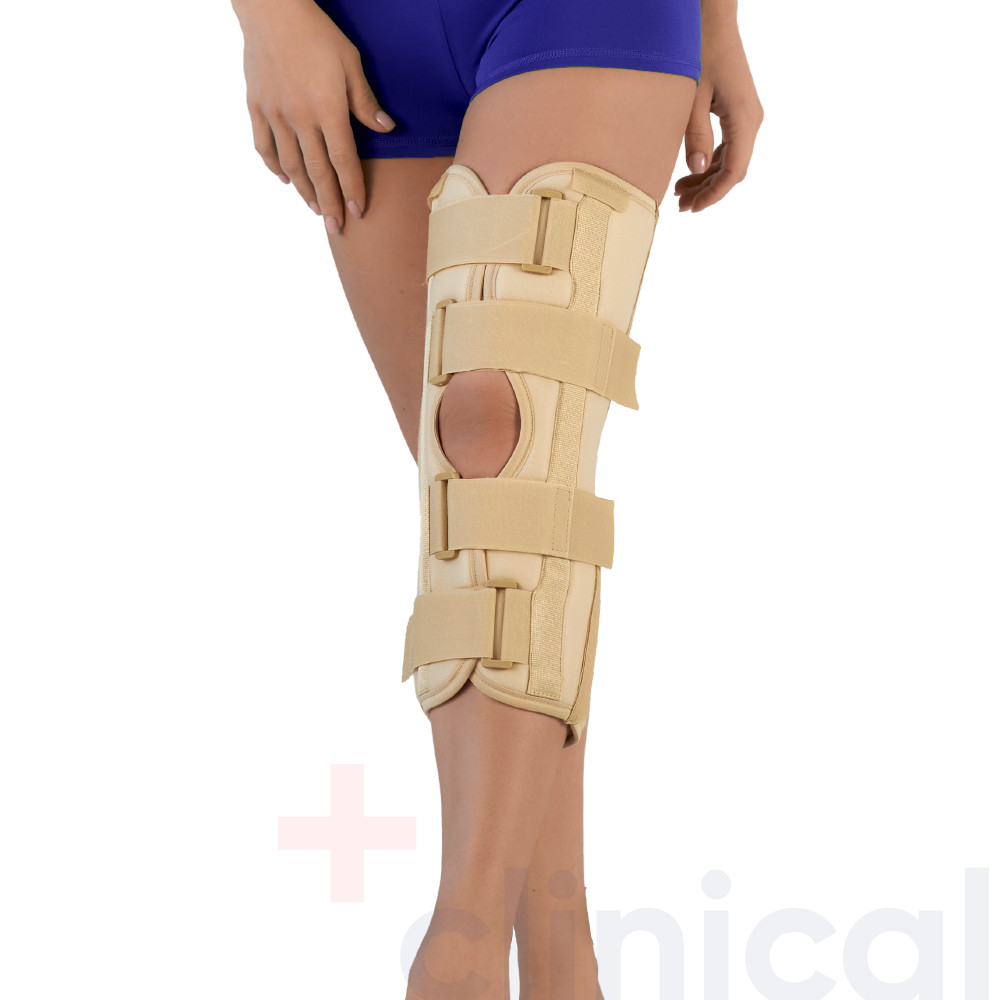
After a fracture, you will likely have to wear a cast for a while so that everything heals properly. A period of immobilization is necessary for the healing of a broken bone. Very often, instead of gypsum, special fixing bandages are used. For example, in case of a fracture in the knee area, you can use a Knee Immobilizer With Ribs And Intensive Fixation (The Tutor), which will securely fix the knee joint. Its stiffeners, if necessary, can be modeled.
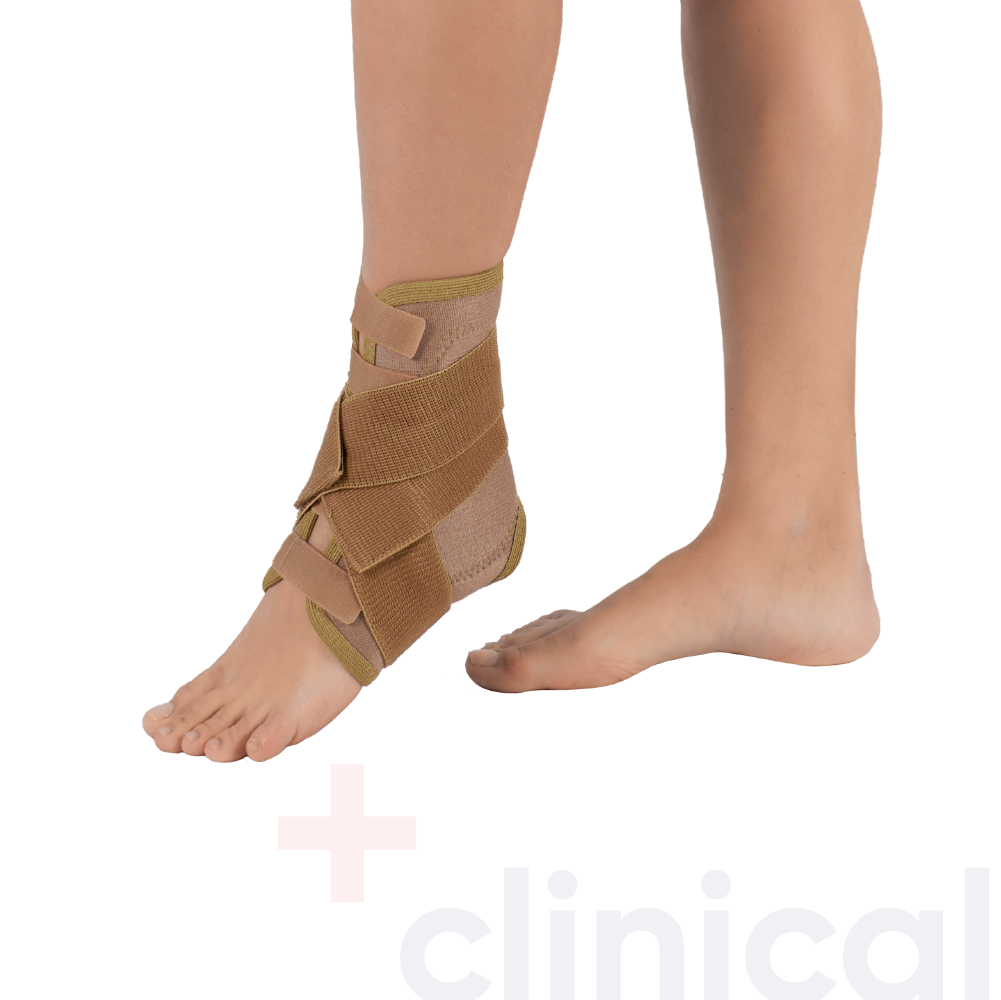 Ankle Support Elastic is a perfect bandage for ankle trauma. Also, it can be used to prevent joint injuries and diseases.
 If the wrist is injured, you can use the Wrist Wrap with Thumb Fixation, which is helpful during rehabilitation after a plaster cast. Such Wrist Wrap can serve for the prevention of chronic dislocations of joints or sports traumas also. Other indications of use are injuries of the wrist joint or thumb joint, sprains, arthrosis, arthritis, bursitis, and synovitis.
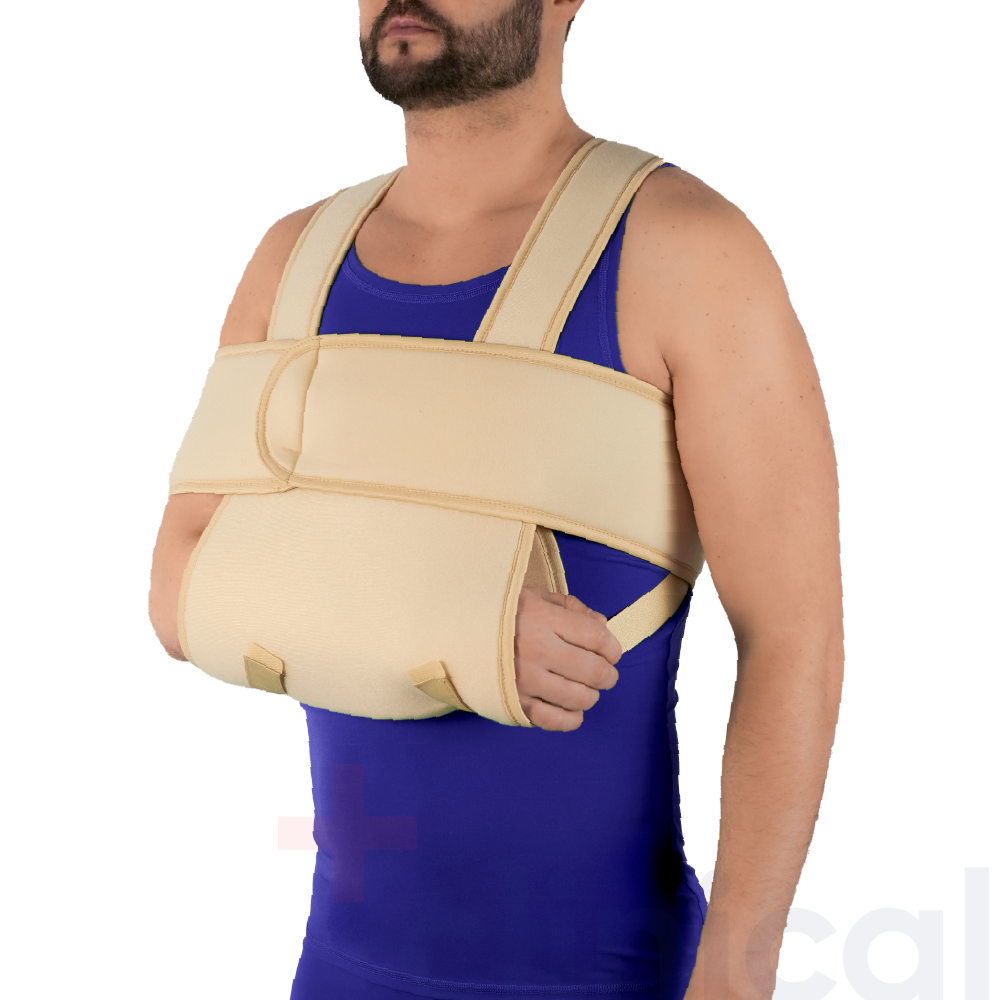 Shoulder Wrap Fixative (Desault’s Bandage) is suitable for rehabilitation of shoulder and forearm traumas, ruptures of the ligaments of the shoulder joint, the clavicular-acromial joint, and the elbow joint, for rehabilitation after fractures of the bones of the shoulder girdle and after upper limb surgery. Other indications of use are arthrosis, arthritis of the joints of the upper limb, shoulder-scapular periarthritis, paralysis, paresis, plexitis, and neuritis of the upper limb.
One of the problems with immobilization after a fracture is that the injured area becomes weak, and the muscles around it - tense.
"Wolff's Law" says that the structure and shape of bone permanently adapt to the loading conditions. A physical therapist can guide you through the proper steps to ensure that the healing area receives adequate and appropriate loads.
A qualified sports coach also can assess the state of health and prescribe a training and conditioning plan that meets individual needs. This will help strengthen weak areas of the body and reduce the risk of injury.
When can exercise be continued?
Everyone is different, and many factors can limit the ability to return to sports after a fracture or surgery. These include:
- the severity of the damage,
- whether the surgery was carried out,
- the success of physiotherapy,
- the amount of effort you put into rehabilitation.
If there was, for example, an ankle fracture, the doctor allows you to start running about three to four months after the injury. By this time, the bones should be well healed, and their strength should be close to normal. If the doctor allows and there is no pain, then, gradually, you can increase the load.
Usually, you can return to full training within six to nine months after injury.
But remember! We are all different, and every injury is an individual. Some people may start exercising after a fracture much earlier than others. Someone will never be able to return to the sport, even if they make every effort to restore normal mobility and strength in the area of the fracture.
Anyway, don't lose heart. It is very important to consult your doctor and physical therapist to define the exact state of the injury and a qualified approach to its healing.
This article is only informative. Always consult your physician if the trauma has happened. If the doctor prescribes a support bandage or an elastic bandage, ask for the bandages TM MedTextile at the pharmacies of your city.
[1]Stress fracture is a fracture caused by fatigue fracture of the bone due to repetitive stress. Unlike a fracture caused by a single hard blow, stress fractures are the result of accumulated microtrauma from cyclic loads below maximum, such as running or jumping.
